
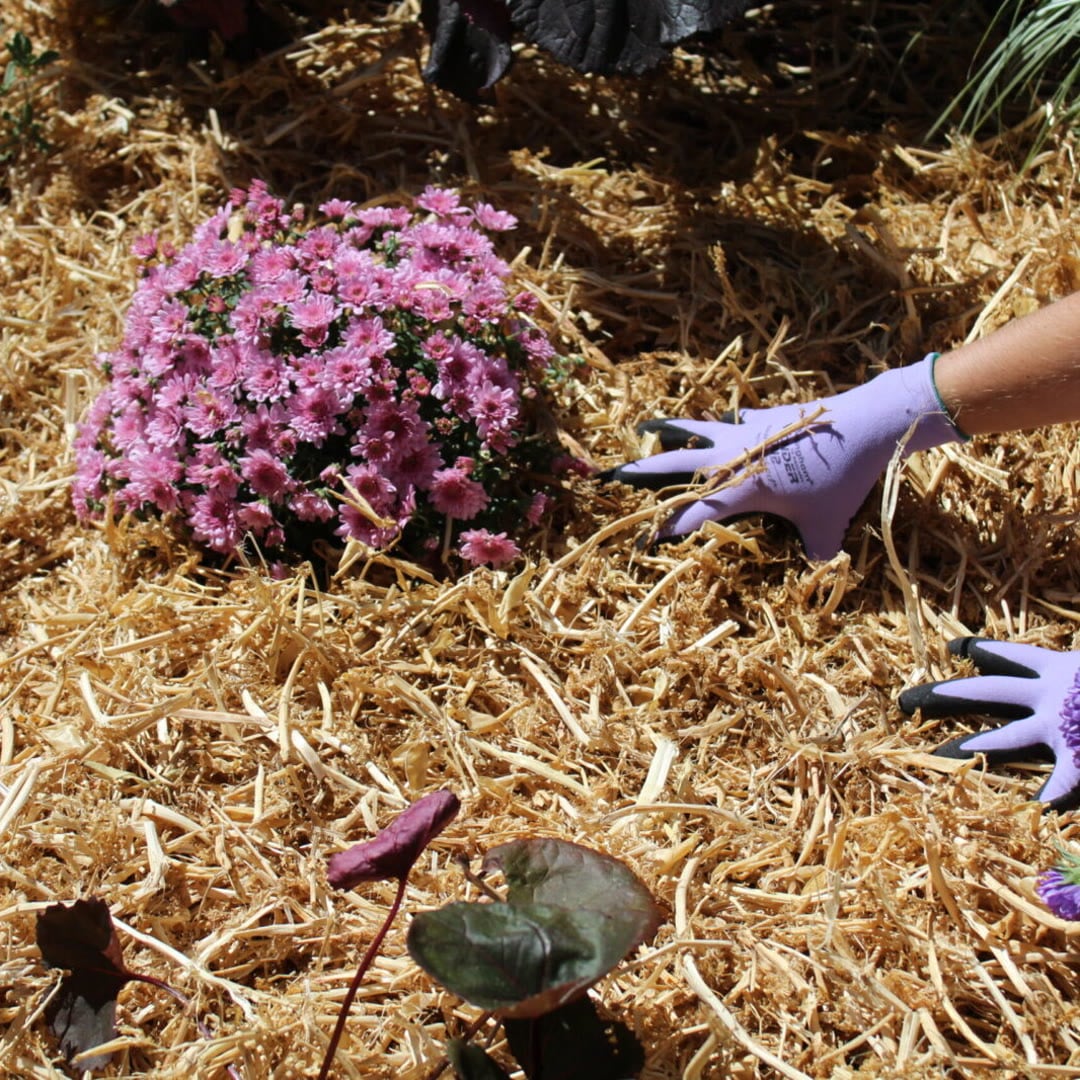
Pea straw is the dried vines, pods and occasional peas left behind after pea plants have been harvested. Rather than letting this useful plant material go to waste, it can be baled and used as a natural, biodegradable garden mulch. Spread over the surface of your soil, it helps retain moisture, suppress emerging weeds, protect the ground from drying out and gradually add organic matter as it breaks down.
For Auckland gardeners, it is a particularly versatile mulch for vege gardens, raised garden beds, fruit trees, strawberries, flowers and established plants. At Auckland Pea Straw, we source our straw from trusted commercial growers producing food-grade peas, and our pea straw is tested for additional peace of mind.
- Pea straw is the dried vines and pods left after a pea harvest, baled for use as natural garden mulch
- It helps retain soil moisture, suppress weeds and add organic matter as it breaks down
- One bale covers about 9 to 10 m², with free delivery over $40 across Auckland and the Mangawhai region
On this page
- Pea straw: quick facts
- What is pea straw?
- Why use pea straw mulch in garden beds?
- How do you use pea straw around the garden?
- Where can you use pea straw in the garden?
- What are the alternative uses for pea straw bales?
- How far does a pea straw bale go?
- Do you deliver pea straw across Auckland and Mangawhai?
- Where can you buy pea straw in Auckland?
- Questions about pea straw
Pea straw: quick facts
| What is pea straw? | The dried vines, pods and some leftover peas from harvested pea crops |
|---|---|
| Main garden use | Natural surface mulch |
| Approx. bale coverage | 9 to 10 m² |
| Approx. bale weight | 11 kg |
| Approx. bale size | 41 cm × 33 cm × 85 cm |
| Good for | Vegetable gardens, raised beds, fruit trees, flowers, shrubs, strawberries and general garden beds |
| Delivery | FREE on orders over $40 across Auckland and the Mangawhai region |
| Collection | Available by appointment from Waimauku |
Browse the range or go straight to the garden mulch bale.
What is pea straw?
Pea straw is what remains above ground after a pea crop has been harvested.
The peas themselves are grown for food, while the remaining pea vines, dry pods, stems and occasional leftover peas can be collected and baled rather than discarded.
That bale can then be pulled apart and spread across garden beds as mulch.
Unlike synthetic ground coverings, pea straw is plant material. Over time, exposure to water, soil organisms and normal garden conditions causes the straw to gradually break down.
This makes pea straw popular with gardeners who want a mulch that performs a practical job above the soil while eventually contributing organic matter back into the garden.
It is worth distinguishing mulch from fertiliser, however.
Pea plants belong to the legume family and are associated with nitrogen cycling in the soil, but pea straw mulch should primarily be viewed as a soil-covering and organic-matter product, rather than a complete plant feed.
Where your plants need additional nutrients, a suitable natural or organic fertiliser can be used alongside your mulch.
Natural and organic fertilisers that work alongside your mulch.
Why use pea straw mulch in garden beds?
Good mulch creates a protective layer between exposed soil and the conditions above it.
That can be especially useful in Auckland gardens, where soil may be exposed to hot summer sun, drying conditions and periods of heavy rain at different times of the year.
Helps retain soil moisture
Bare ground can lose moisture quickly through evaporation. Covering the soil with pea straw helps shade the surface and reduce direct exposure to sun and wind, so the soil stays moist for longer between watering.
It does not remove the need to water your plants, but it can help reduce watering by up to 60% and make it easier to create more consistent moisture conditions around their roots.
Helps suppress weeds
Pea straw creates a physical barrier over the ground. A good, even mulch layer reduces the amount of light reaching emerging weed seedlings, helping suppress many common weeds before they become established.
Adds organic matter as it breaks down
Pea straw does not stay in the garden forever. Over time, it breaks down and becomes part of the organic material around the soil surface.
This is one reason many gardeners prefer it as a biodegradable mulch. Rather than needing to remove it at the end of its useful life, pea straw gradually integrates with the garden environment.
Helps protect bare ground
Mulch provides a buffer between exposed soil and the weather. It can reduce the impact of rain directly hitting bare soil, slow surface drying and help keep soil from becoming exposed and muddy.
How do you use pea straw around the garden?
Prepare the soil first
Before adding mulch, remove established weeds and water the garden if the soil is particularly dry.
If you need to add compost or fertiliser, it often makes sense to do this before laying a thick mulch layer.
Break apart the bale
Pea straw bales are compressed for transport and storage.
Pull sections of straw apart and loosen them as you move around the garden. This makes it easier to create an even layer.
Spread an even layer
Cover the visible soil generously rather than simply scattering a small amount over the surface.
The aim is to create enough depth to shade the soil and make it difficult for emerging weeds to reach the light.
Keep mulch away from stems and trunks
Leave a little breathing room around the base of plants, tree trunks and vulnerable stems.
Water after applying
Once your pea straw is in place, give the garden a good water.
This helps settle the straw into position and gets moisture down into the soil underneath.
One bale covers about 9 to 10 m² and is delivered to your door.
Where can you use pea straw in the garden?
Pea straw can be used across a wide range of home gardens and landscaping areas.
It is particularly popular in vegetable gardens and raised beds, where it helps cover exposed soil and retain moisture around plants.
It can also be used around fruit trees, strawberries, flowers and established shrubs, as well as larger landscaping areas around Auckland and Mangawhai properties.
What are the alternative uses for pea straw bales?
Pea straw bales are not only useful in the garden.
Whole bales can also be used as natural seating, props, displays or backdrops for events, including:
- Weddings and birthdays
- Corporate and council events
- Concerts and community events
- Country-themed events and hoe-downs
Their natural look makes them particularly useful for rustic or outdoor event setups.
If you need pea straw bales for an Auckland event, contact Auckland Pea Straw to discuss quantities and delivery.
Tell us how many bales you need and when.
How far does a pea straw bale go?
One Auckland Pea Straw bale covers approximately 9 to 10 square metres when used as garden mulch.
Each bale is approximately:
- 41 cm wide
- 33 cm deep
- 85 cm long
- 11 kg in weight
Actual coverage will depend on how thickly you apply the straw and the type of garden area you are covering.
Quick example
If your garden beds cover approximately 30 m², you would generally be looking at around three to four bales, depending on your preferred mulch depth and how densely the straw is spread.
Work out your bales, then add them to your order.
Do you deliver pea straw across Auckland and Mangawhai?
Pea straw is bulky, so getting it home can be one of the biggest barriers to purchasing bales.
Auckland Pea Straw offers FREE delivery on orders over $40 across Auckland and the Mangawhai region.
Collection is also available by appointment from Waimauku.
You do not need to be home when we deliver. We can leave your order in a safe location so the pea straw is ready when you have time to get into the garden.
Check delivery to your suburb before you order.
Where can you buy pea straw in Auckland?
Whether you are creating a new vegetable garden, topping up existing garden beds, protecting the soil around fruit trees or looking for natural mulch for a larger Auckland property, pea straw is a simple and versatile option.
Our bales give you a practical amount of product for covering larger areas, and we make getting them to your garden straightforward.
Ready to get started? Shop our pea straw range and choose the quantity you need for your garden.
You can also explore our:
One bale covers about 9 to 10 m2 as mulch.

Auckland Pea Straw
Auckland Pea Straw supplies pea straw bales and natural garden products from Waimauku, West Auckland, with delivery across Auckland and the Mangawhai region. About us
Questions about pea straw
Why are peas growing in my pea straw?
Pea straw can contain leftover peas from the original crop. Once the straw is sitting on damp soil and receiving water, some of those peas can germinate. This is normal. You can simply pull the young pea plants out if you do not want them growing in the garden. For more answers to common questions, read our Pea Straw FAQs.
Does pea straw add nitrogen to the soil?
Pea plants are part of a plant family associated with nitrogen fixation during growth, but that does not mean a layer of pea straw is the same thing as applying a nitrogen fertiliser. For most home gardeners, the more useful way to think about pea straw is as a biodegradable mulch that protects the ground and adds carbon back into the soil to improve structure and fertility. If your plants need extra feeding, see our natural and organic fertilisers.
How much does one pea straw bale cover?
One Auckland Pea Straw bale covers approximately 9 to 10 square metres when used as garden mulch. Actual coverage depends on how thickly you apply the straw and the type of garden area you are covering.
Is delivery free?
We offer free delivery on orders over $40 across Auckland and the Mangawhai region. Collection is also available by appointment from Waimauku. You can see more on our delivery page.
More garden guides
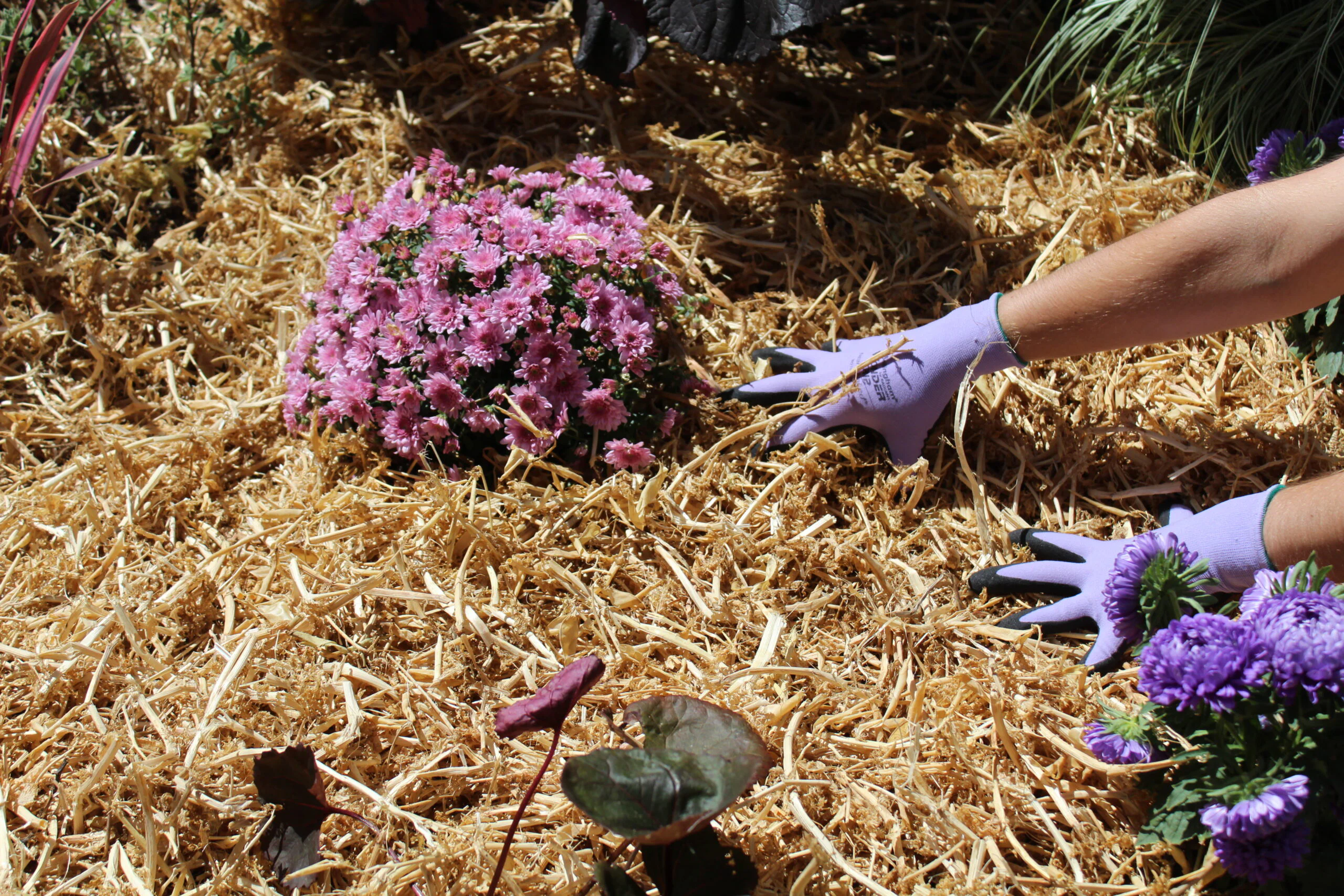
The Best Mulch for Auckland Gardens
Mulch means healthier soil, fewer weeds and less watering. Here is how the common options compare for Auckland gardens.
Read the guide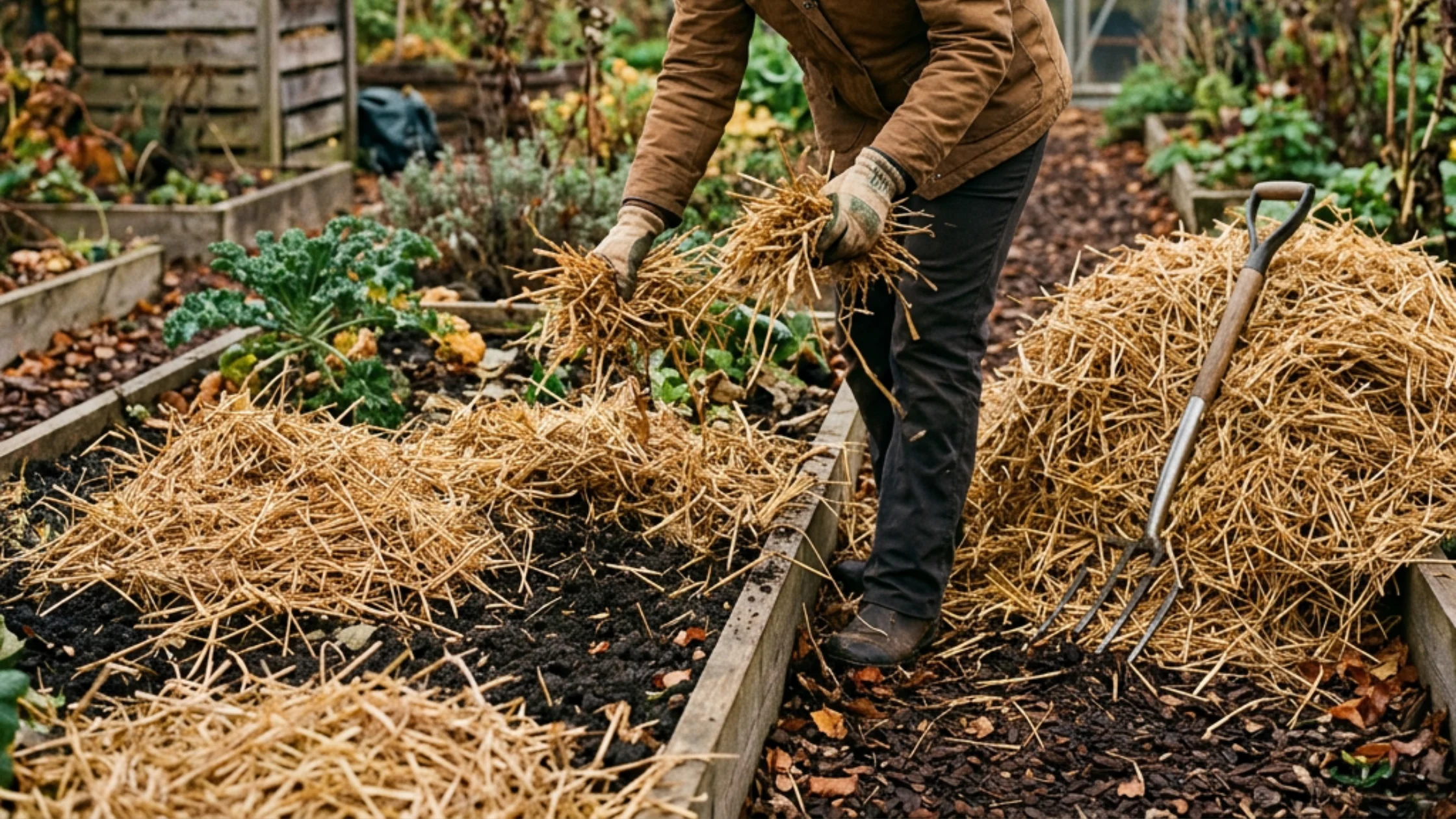
Winter Garden Prep Guide
A little work now protects your soil over the colder months, cutting weeds and erosion and setting your garden up for a stronger spring.
Read the guide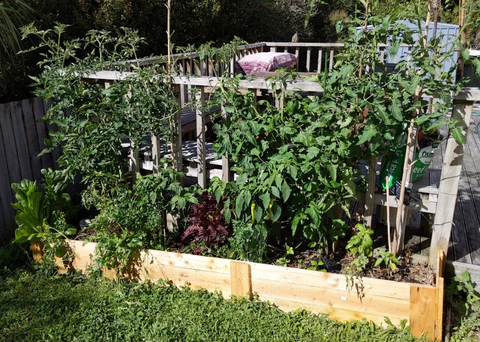
How do you start a pea straw bale garden?
Lay a weed barrier, arrange your bales, condition them for 2 to 3 weeks, then plant. The whole process in plain steps, with photos.
Read the guideReady to put the advice into practice?
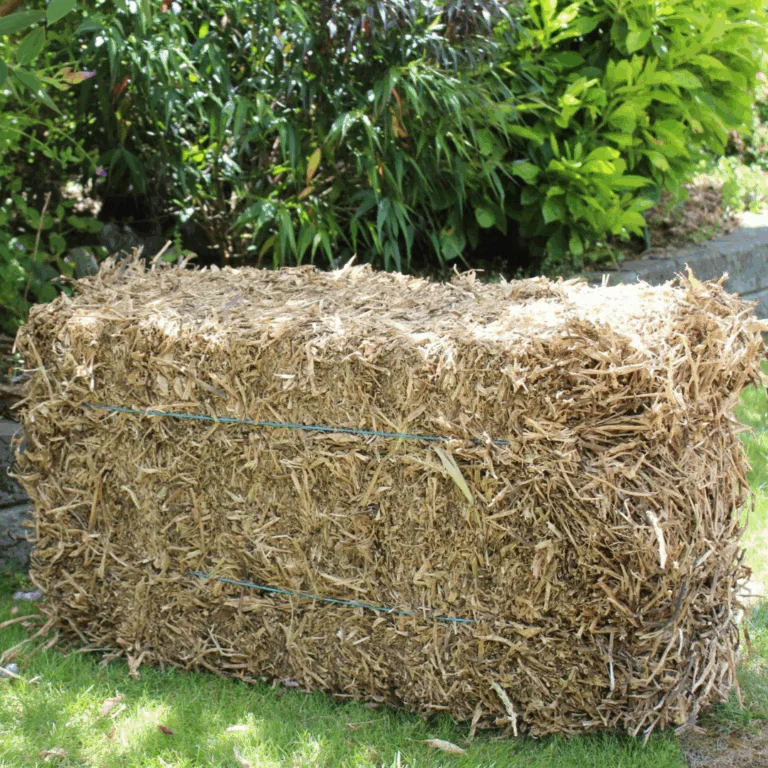
Pea straw bale
About 9 to 10 m2 of mulch cover per bale, delivered to most areas between Bombay and Mangawhai.
View the bale
Ready to try pea straw in your garden?
Order online and we deliver to most areas between Bombay and Mangawhai, or collect from Waimauku by appointment.
Shop pea strawCheck delivery